
Wildlife of Jasper: A Guide to Summer Animal Sightings
Discover the diverse species that call our regenerating mountain landscape home and learn how to photograph them safely.
The gentle sound of the Athabasca River rushing by and the crisp scent of pine create the perfect backdrop for a summer retreat. As the regenerating landscape of Jasper National Park blooms into vibrant green from May through October, the region comes alive with activity. The fresh growth across the valley draws an incredible array of wildlife out into the open. Watching animals thrive in their natural habitat is one of the most profoundly serene experiences you can have here in the mountains.
Whether you are enjoying your morning coffee on your private patio or exploring uncrowded trails, wildlife encounters are an organic part of the Jasper experience. Here is a guide to the diverse animal families you might see during your summer visit, along with some tips on how to observe them respectfully.
Bear Sightings: Black Bears and Grizzly Bears
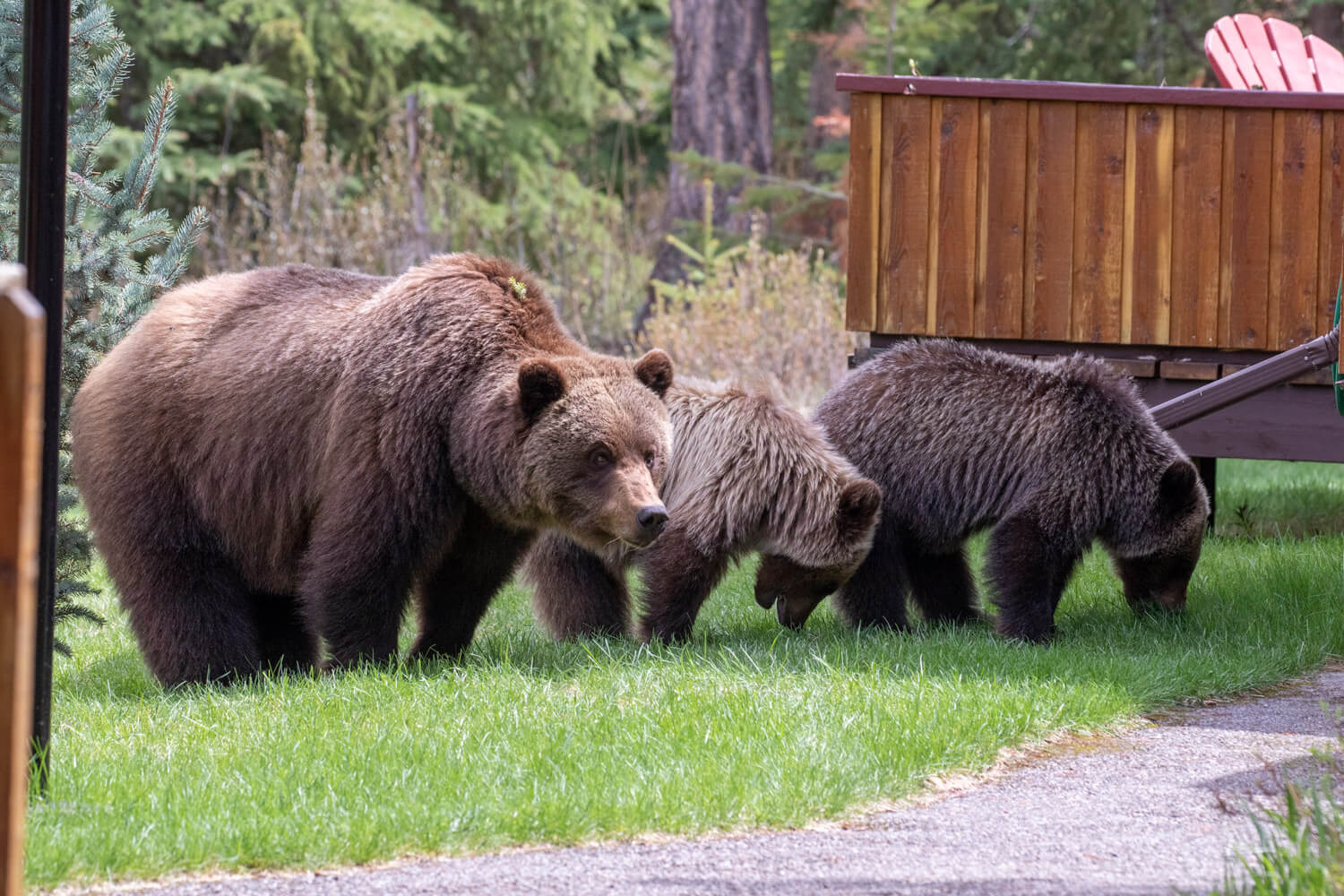
Jasper National Park is a pristine sanctuary for both black bears and grizzly bears. As the forest continues its natural cycle of rebirth after the 2024 wildfires, nutrient-rich plants and berry bushes flourish. This provides an abundant food source for these incredible animals.
Black bears are more commonly seen in the lower valleys. Their coats can range in colour from jet black to a warm cinnamon brown. Grizzly bears are typically larger and easily identified by the distinct hump of muscle on their shoulders. Both species are a testament to the wild, untouched nature of the Canadian Rockies. Observing a bear foraging quietly in the distance is an awe-inspiring moment that defines a true mountain getaway.
The Majestic Giants: The Deer Family
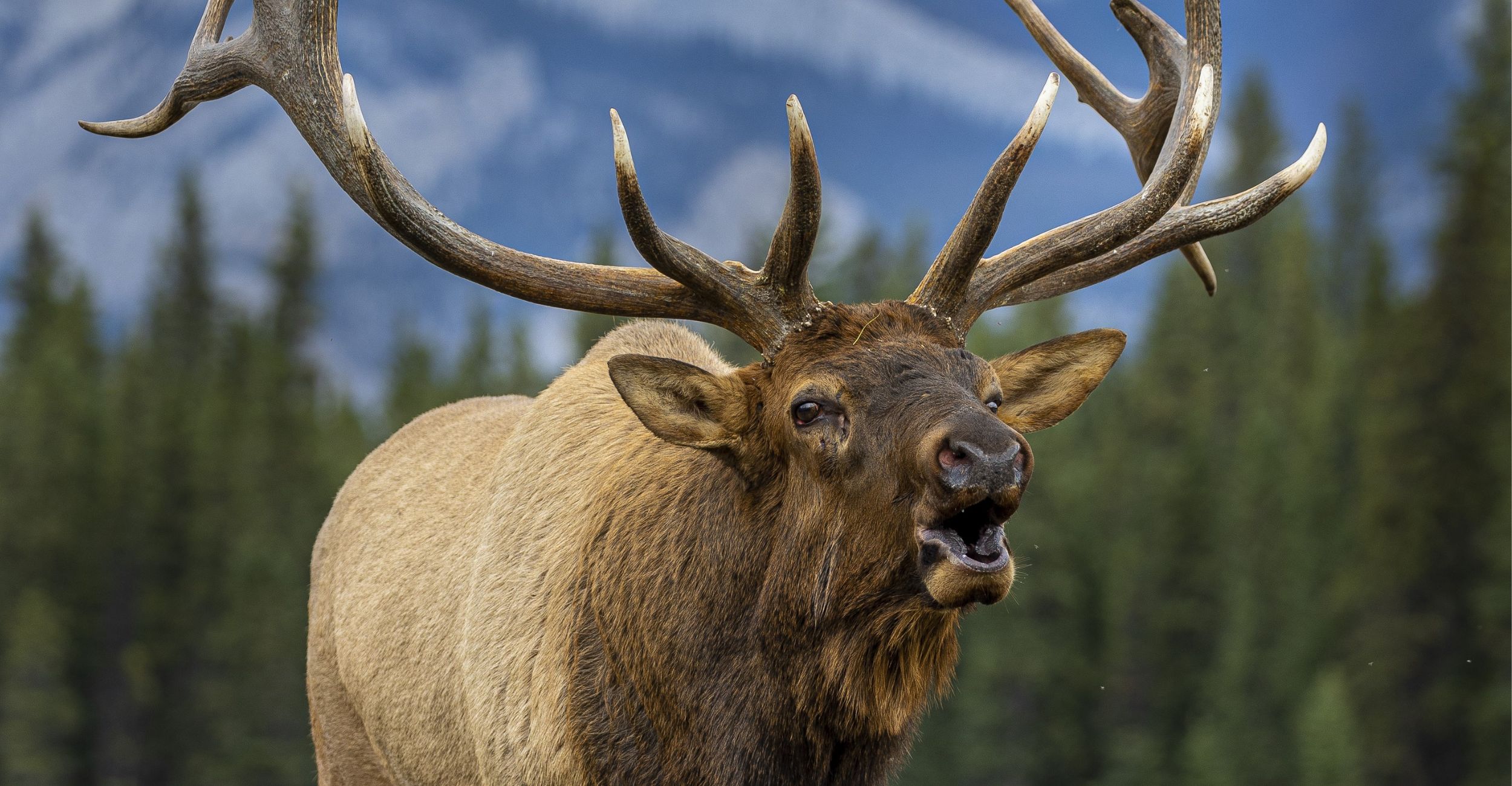
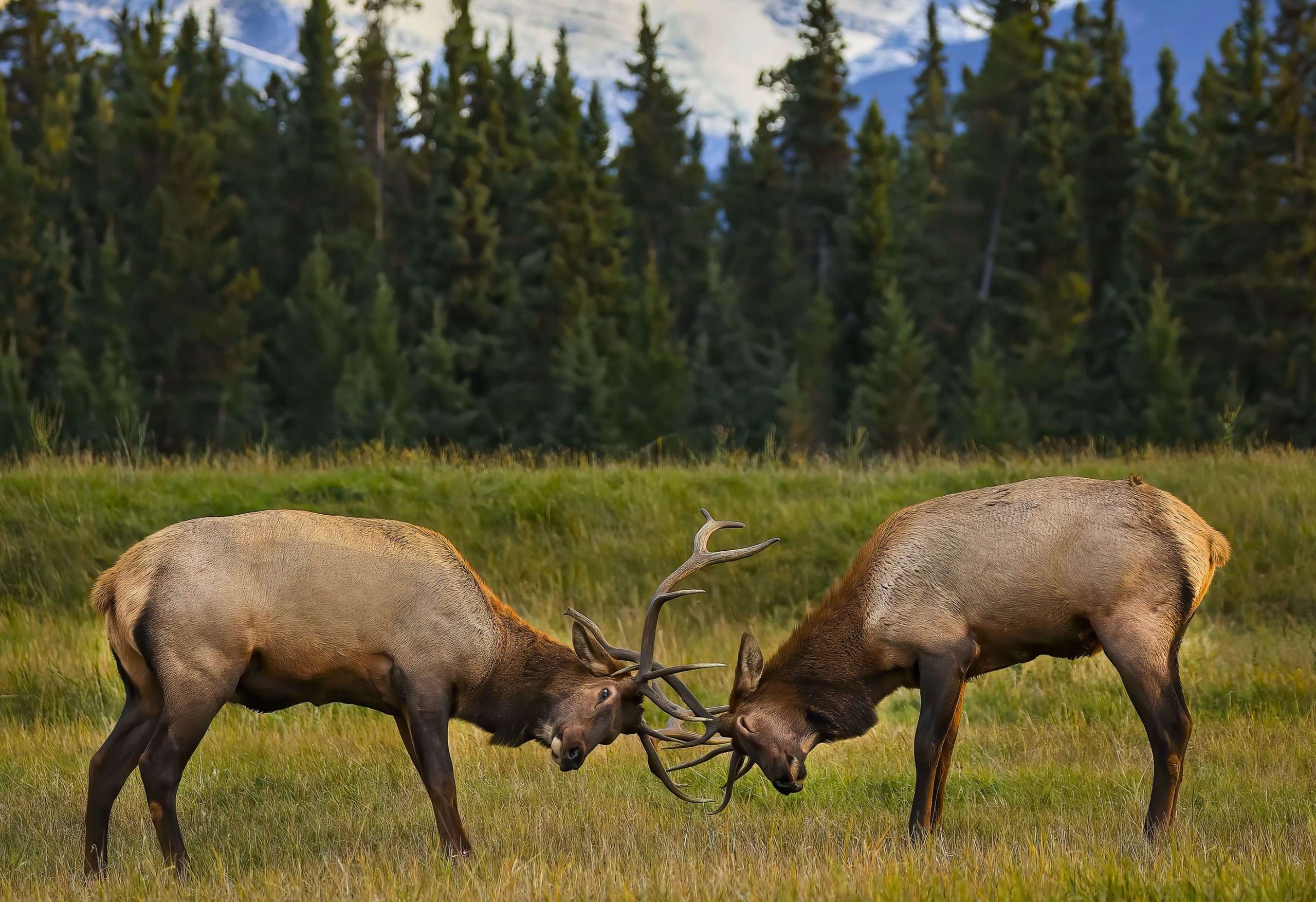
Elk are perhaps the most frequently spotted large mammals in the area. These magnificent creatures are known for their impressive size and the striking, velvet-covered antlers grown by the males during the summer months. It is entirely common to see a small herd grazing quietly in the immaculate meadows near our property. You might also spot graceful mule deer with their distinctive large ears, or the rarer white-tailed deer navigating the valley brush.
Moose, the largest members of the deer family, are a bit more elusive but equally thrilling to find. They prefer wetland areas and tranquil lakes where they feed on aquatic plants. A day adventure to Maligne Lake will give you the best opportunity for sightings.
Fun fact: Moose are exceptional swimmers. They can even hold their breath underwater for up to a minute while foraging for food on the lake bottom.
The Agile Climbers: Sheep and Goats
High above the valley floor, the sheep and goat family rules the rugged terrain. Bighorn sheep are fairly common along the rocky roadways. The males possess massive curved horns used to battle for dominance.
If you look closely at the steepest cliffs, you might spot mountain goats. Their brilliant white coats and short black horns make them a breathtaking sight against the stone.
Fun fact: Mountain goats are not true goats at all. They actually belong to a family of mountain antelopes.
Elusive Predators: The Dog and Cat Families
The park is also home to apex predators that keep the ecosystem balanced. The dog family is represented by the red fox, the coyote, and the gray wolf. Despite the name, the red foxes are not always red. They can be black, silver, or a reddish-brown cross variation. Wolves are much more secretive and rarely seen, preferring the deep, serene isolation of the backcountry.
Our feline residents include the cougar and the lynx. The lynx is a nocturnal hunter with beautifully tufted ears and large paws. Because these wild cats are highly elusive and prefer quiet isolation, catching even a fleeting glimpse of one is a rare privilege.
The Playful Residents: Small Mammals and Weasels
While the large mammals often steal the spotlight, our smaller residents add immense charm to the environment. The ground squirrel is highly active during the summer. If you venture higher into the alpine regions, listen closely for a sharp, piercing whistle. This is the call of the hoary marmot. You might also hear a high-pitched “eep” from the rocky slopes, which belongs to the pika, or “rock rabbit”. Down near the streams, industrious beavers work tirelessly to build their intricate lodges.
The forest also shelters members of the weasel family. This fascinating group ranges from the small, energetic pine marten to the formidable wolverine.
Safe Wildlife Photography Guidelines
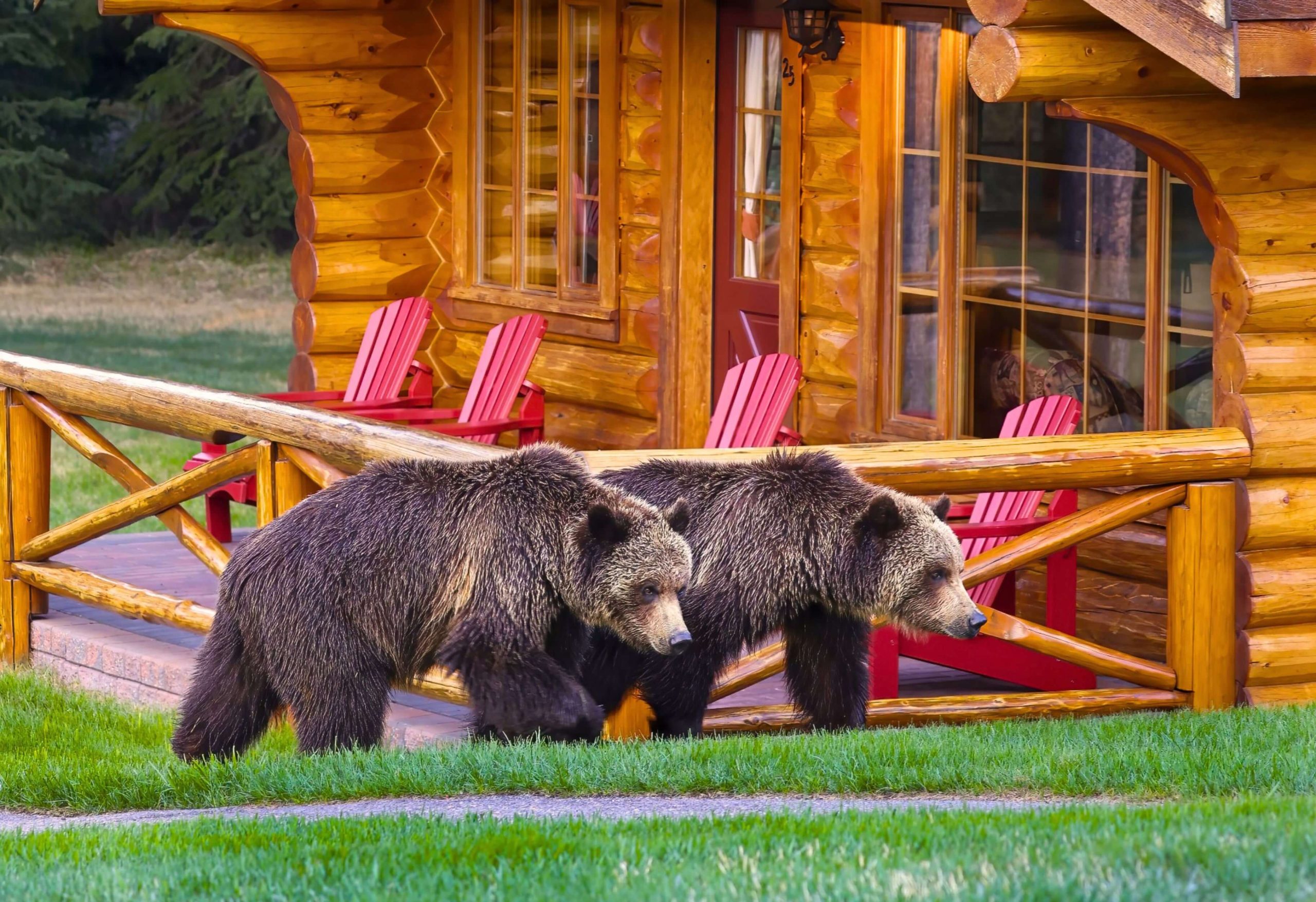
Capturing the beauty of these animals requires patience and a strict adherence to safety. To protect both you and the wildlife, Parks Canada enforces clear wildlife viewing guidelines.
You must maintain a minimum distance of 30 metres from elk, deer, moose, bighorn sheep, and mountain goats. For bears, wolves, and cougars, the mandatory distance is 100 metres. We highly recommend bringing a telephoto lens so you can capture intimate, detailed portraits without disturbing the animals’ natural behaviour. If you are driving and spot an animal, always remain inside your vehicle.
After a day of exploring and photographing Jasper’s wildlife, there is nothing quite like returning to your private sanctuary. The crackle of a wood-burning fire in your cabin provides the perfect conclusion to an evening spent immersed in nature.
Listen to the sounds of nature right from your private patio. Discover the perfect space for your next mountain getaway by visiting our cabins and rates page.